

From Zero ERP Knowledge to SAP Consultant: Complete Roadmap
So let’s just say you’ve never laid eyes on an ERP (Enterprise Resource Planning) system, what’s the possibility you could actually become an SAP consultant? I’ve got great news for you – it is entirely possible. Seriously. All those SAP consultants whose careers inspire you now once stood right where you’re currently standing – in your shoes, a little scared and not a little lost.
You see from the outside the SAP environment, with its overwhelming list of modules, and codes, and its very own language it seems more daunting than it actually is. When you have a repeatable step-by-step roadmap that you can actually implement, any beginner can land an SAP consultant job-ready position. Let’s look at this roadmap step by step now.
Understanding What SAP Actually Does
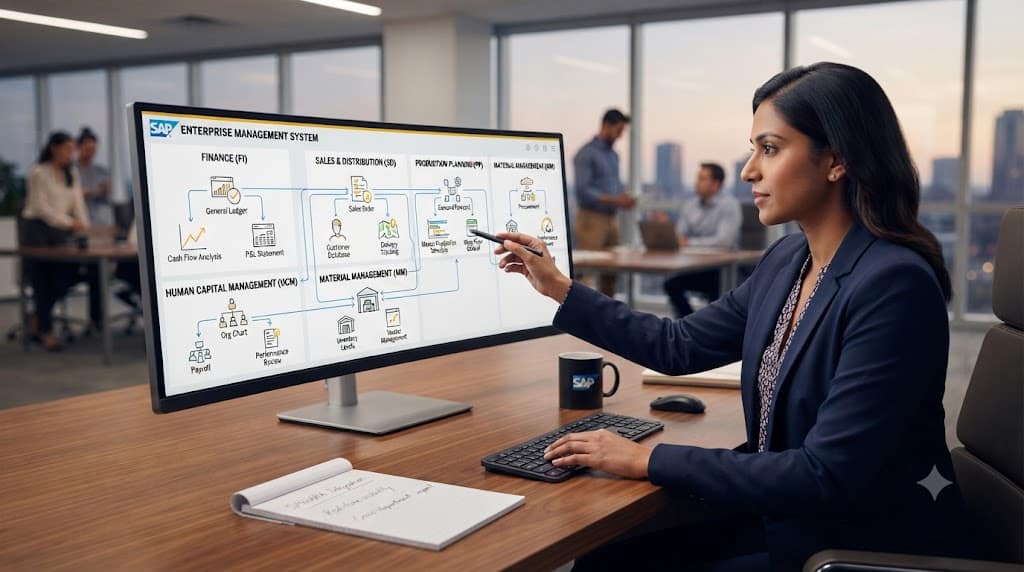
Understanding What SAP Is Solving Before jumping into any course, it’s good to know what SAP is solving for. SAP is basically an enterprise resource planning (ERP) software for businesses and functions to streamline finance, supply chain, human resources, sales and supply chain in a single system. Once you know why it is being developed, anything that you learn after, even the steps, will easily fall into place rather than relying on sheer memorization.
Choosing the Right SAP Module for Your Career Path

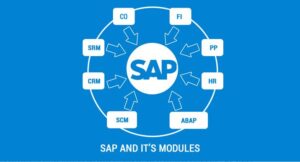
It is not a single skill! The modules for SAP are not like a single skill. There are lots and lots of specific modules such as: SAP FICO (SAP Finance and Controlling), SAP MM (Materials Management), SAP SD (Sales and Distribution), SAP HCM (Human Resources) and SAP HR, etc. Choose a module that suits your background or your current work experience. If you have a background in finance, you can have a better understanding of the SAP FICO module rather than other modules, etc.
Starting with Structured SAP Training
Reading a series of SAP YouTube tutorials and various blog posts without guidance would certainly leave some missing information about SAP. SAP Training that follows proper logic- starting out with basics like navigation, ending with actual business use cases and their related configuration is beneficial, as you can be guided about the next step.
Enrolling in a Practical SAP Course
After you get acquainted with the basics, a live SAP Course with a case study and practical examples is definitely the answer. Don’t fall for theory-based courses that don’t give access to a live SAP Server. Self-practice with configuration steps helps you gain the confidence of a consultant not the skills of watching a guru.
Building Real-World Project Experience
You recruiters don’t actually give two cents about your book smarts, it is how those book smarts translate into solutions for the real world. If there are any opportunities to participate in a mock implementation project, do one. Seek out apprenticeships, get freelance work doing implementation – whatever you have access to will work. Document your project work – this is the best material you will ever use in interviews or when talking with client prospects.
Earning Your SAP Certification
SAP certification establishes you and provides the certification you may use for a professional career if you have no corporate ERP knowledge or expertise. The SAP certificate offers a company proof that the candidate is skilled within the ERP enterprise the chosen module and it’s a part of a qualified standard which can increase the resume.
Preparing for Interviews and Real Client Scenarios

While skills technically help, you need to justify your answers too. Get into the habit of rehearsing potential answers to typical scenarios, familiarize yourself with the business processes and configuration support, and find the comfort level of talking about your potential solution for actual problems your client faces.
Final Thoughts
From clueless beginners to ace SAP consultants, is no miracle, not really. It’s a sure win with the correct roadmap in your hand! So, if you are ready to take this journey with real instruction, hand-on practice, and advice from the expert, then learn the SAP consultant job requirements with Nextnow and let us design the winning path for your career.
FAQs
I have zero technical background — can I still become an SAP consultant?
Honestly, yeah. Plenty of excellent SAP consultants came into the field from non-technical roles such as finance, HR or operations. What matters is that you are willing and eager to understand business process logic, not some comp sci education.
How long will it actually take me to become job-ready?
It depends on how much time you can devote, but I’ve seen beginners get job-ready within 4 to 8 months, provided you have SAP Training and get lots of hands-on.
Do I need to learn coding to work in SAP?
Not for functional positions though. If you aim to become a Functional Consultant (say FICO/MM/SD), then mostly you’ll be working on configuration and business process-oriented activities rather than programming. It’s only if you wish to become a technical consultant (ABAP developer) that the coding language becomes crucial.
Is an SAP Course enough, or do I really need certification too?
While on one hand, a good SAP course helps you gain knowledge and proficiency, on the other hand, SAP Certification helps document the skills on your resume. If you’re a professional looking to change careers, or lacking any previous ERP experience then the certification can be of great help.
Which SAP module should I pick if I don’t know where to start?
Consider what you know. If you are good with numbers/finance then FICO might be the thing for you. If you love operations/logistics then either MM or SD might be a better fit. Select something with which you have some level of acquaintance.