

Do You Need Coding for SAP? Myths vs Reality
Do You Need Coding for SAP? Myths vs Reality – Many newcomers to the SAP world often ask whether coding is necessary to work with SAP, and will typically pose the question: “Do You Need Coding for SAP?” The short answer is: not always. SAP offers a wide range of career opportunities, some of which are technical while others are non-technical.
Programming skills can be helpful in certain areas; after all, many SAP consultants deliver their expertise without ever writing a line of code. Identifying the facts and misconceptions about the need for writing SAP code will help aspiring professionals choose the right career path confidently.

What Is SAP and Its What Are Its Different Roles
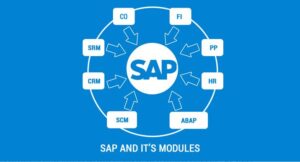
SAP (Systems, Applications, Products in Data Processing) is a globally recognized ERP software platform. It is used by corporations to manage business operations, including finance, supply chain, sales, human resources, and procurement. Generally, SAP job positions can be divided into two groups:
- Functional Roles
- Technical Roles
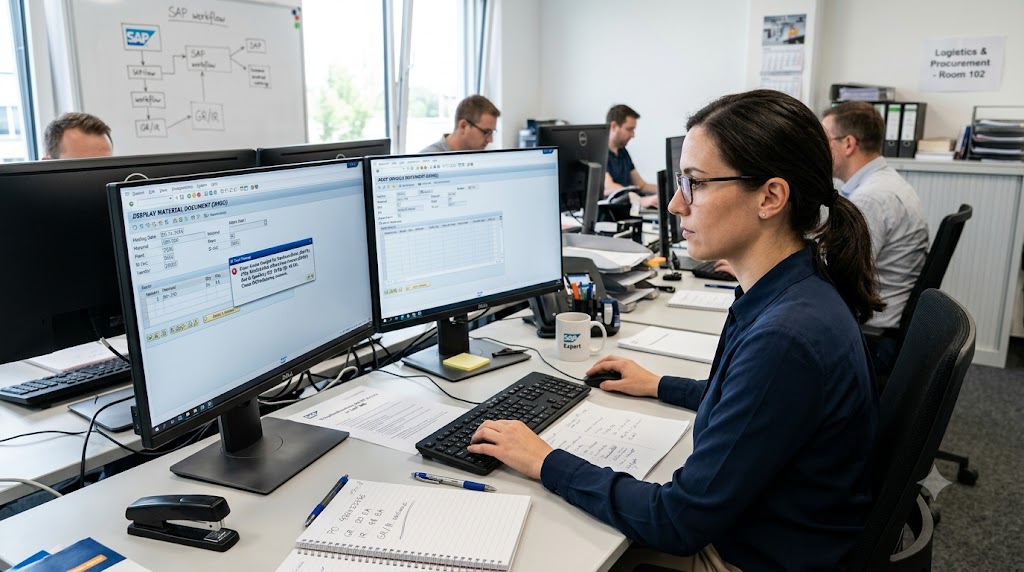
While functional consultants act as an interface between the business and SAP systems, working on business blueprints and making adjustments, technical consultants are programmers, developers, and customizers of the system.
The key takeaway is that coding is important in some SAP roles, but unnecessary in others.
Myth 1: You Must Learn Coding to Work in SAP
Many people believe that all SAP professionals must know programming languages such as Java, Python, or ABAP.
Reality
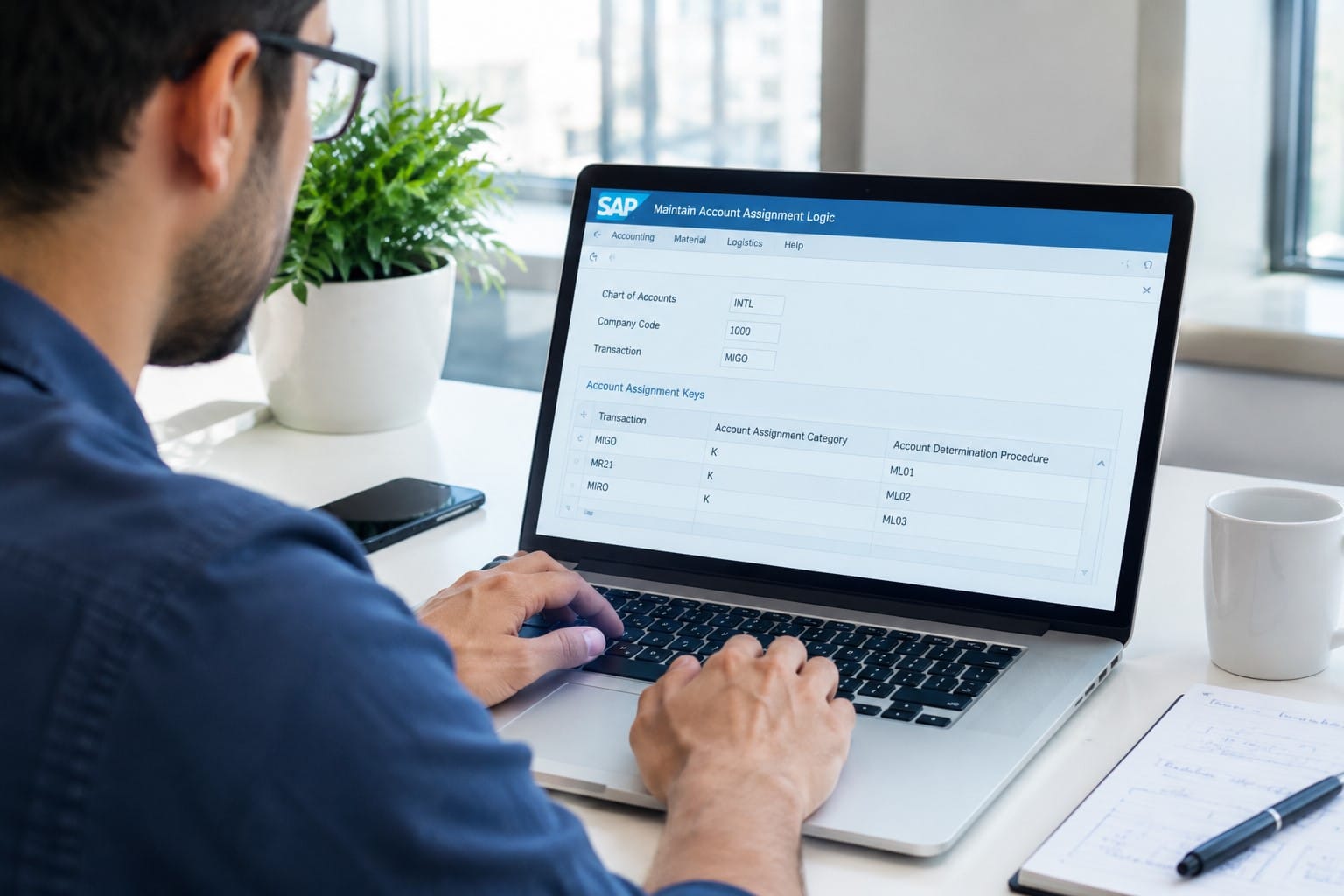
Many SAP modules do not require coding at all. Many functional consultants in SAP modules like:
- SAP FICO
- SAP MM
- SAP SD
- SAP HCM
- SAP SuccessFactors
Can build successful careers based on their ability to configure SAP and manage business processes.
As per the conversations within the SAP community, many SAP consultants work for several years without any coding background.
“A functional SAP consultant usually concentrates more on business logic than programming.”
But still, basic technical knowledge can be useful while communicating with the programmers.
Myth 2: SAP ABAP Is Your Only Career Path
Many people believe that SAP is all about ABAP development. ABAP (Advanced Business Application Programming) is SAP’s proprietary programming language used for customization and application development.
Reality
SAP has undergone drastic changes since its inception. Nowadays, apart from ABAP, you can pursue various careers in SAP, such as:
- SAP Functional Consulting
- SAP Basis Administration
- SAP Security
- SAP Analytics
- SAP Project Management
- SAP Testing
- SAP Business Intelligence
- SAP Cloud Solutions
While there will always be jobs for ABAP developers, there are also no-code and low-code capabilities available within SAP that minimize the need for extensive programming knowledge.
Therefore, even individuals with no programming background can become successful in the SAP industry.
Myth 3: SAP Functional Consultants Do Not Require Technical Knowledge
Some people assume that functional consultants do not need any technical knowledge.
Reality
Even though coding skills are not essential, having technical knowledge can be extremely advantageous. Functional consultants work alongside ABAP developers when making customizations.
Knowledge of basic concepts, including:
- Programming logic
- Data structures
- Application Programming Interfaces (APIs)
- Integration techniques
- Basic debugging principles
Can facilitate communication and increase project efficiency.
Industry experts often say that knowing ‘enough to be dangerous’ helps consultants communicate effectively with developers.
SAP Technical Roles That Require Programming Skills
Some SAP positions do require excellent coding abilities. Such roles include:
ABAP programmers design reports, interfaces, enhancements, forms, and workflows in SAP systems. ABAP today supports cloud-compatible programming frameworks like the RESTful Application Programming Model (RAP).
SAP Fiori Developer
SAP Fiori developers use technologies such as:
- JavaScript
- SAPUI5
- HTML
- CSS
To develop SAP applications that are user-friendly.
SAP BTP Developer
The SAP BTP developer usually engages with cloud-based solutions, APIs, and integration processes that may require coding. The SAP cloud ecosystem now provides a more modern development environment.
Emergence of Low-Code and No-Code SAP Solutions
SAP has developed several low-code and no-code platforms. Platforms such as SAP Build help users design workflows, applications, and automation through drag-and-drop features without programming. Such developments are reshaping the SAP environment by making technologies easily available to corporate users and citizen developers. With companies moving forward with their digitalization efforts, low-code SAP solutions will become increasingly popular.
Advantages of Learning Basic Coding for SAP
While programming is not necessarily required, there are a few benefits in acquiring basic coding skills:
Effective Problem Solving
Knowledge of programming techniques improves problem-solving abilities.
Communication Skills
Functional consultants can communicate more effectively with IT teams.
Greater Flexibility
Programming knowledge creates additional job opportunities within SAP.
Higher Earning Potential
Employees with both functional and technical skills are often highly sought after.
Which SAP Modules Need Less Programming Knowledge?
If you want to enter the SAP field without having to code extensively, the following SAP modules tend to be easier for beginners:
- SAP FICO
- SAP MM
- SAP SD
- SAP Ariba
- SAP SuccessFactors
- SAP CRM
- SAP S/4HANA Functional Consulting
These roles focus more on configuration, process optimization, and client interaction.
The Future of SAP Jobs
The SAP landscape is evolving rapidly, which includes:
- Cloud computing
- AI integration
- Automation
- Low-code development environments
- SAP Business Technology Platform (BTP)
- SAP S/4HANA
While coding skills remain essential in technical jobs, businesses today need people who have expertise in business operations and digital transformation.
SAP jobs are no longer only for the hardcore programmers out there. Modern SAP roles require professionals who can bridge business and technology.
Conclusion
Whether you need coding for SAP depends entirely on your selected SAP career track. While functional SAP jobs may involve limited coding, positions such as ABAP or Fiori Development require advanced coding skills. The best part is that SAP offers career opportunities for both technical and non-technical professionals.
Are you seeking a successful SAP career without the worry of intensive programming or coding? Consider taking SAP S/4HANA Training courses from NextNow, a recognized training provider that provides industry-specific SAP training.
FAQs
Is coding necessary for SAP FICO?
No, as SAP FICO involves configuring financial transactions. Having a basic technical understanding is helpful, but programming is not a requirement.
Is it hard to learn SAP ABAP?
ABAP is easier to learn than many modern programming languages, as it is business-oriented and developed in particular for SAP environments.
Can students from non-IT backgrounds learn SAP?
SAP has many modules, such as SAP FICO, SAP MM, and SAP SD, that are a good fit for students from commerce, finance, and management backgrounds.
Which SAP module takes the least coding?
Functional SAP modules like SAP HCM, SAP MM, and SAP SD are generally low on the coding requirements.
Do you have to code for SAP S/4HANA?
Not always. A functional consultant can handle SAP S/4HANA configuration and implementation without coding, but a developer will require ABAP as well as cloud development skills.