

Why SAP SCM is the Future of Supply Chain Management Careers
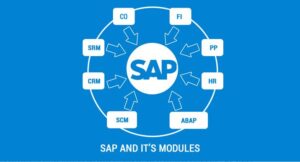
Why SAP SCM is the Future of Supply Chain Management Careers – Supply chains are the lifelines of modern business. From the moment a product idea is conceived to the moment it arrives on the customer’s doorstep, hundreds of processes and players are involved. And in today’s fast-paced, unpredictable environment, it can be challenging to keep all those moving parts in sync. Enter SAP SCM (Supply Chain Management), and the reason that learning it might be one of the smartest career moves you’ll make. SAP SCM is rapidly becoming the future of supply chain jobs, and here’s why.

1. So what is SAP SCM?
Think of SAP SCM as the control tower for the entire supply chain. It is a powerful software suite that helps companies plan, track, and optimize every step from sourcing raw materials to delivering the finished product. It’s much more than just tracking inventory levels. SAP SCM blends three components – real-time data, predictive analytics, and automation – to proactively help businesses manage disruption, minimize costs, and fulfill customer demands quickly.
2. Why Companies Are All-in On SAP SCM
As you can imagine, the landscape for supply chains isn’t going to become any simpler. With products crossing borders, customer demands evolving in a matter of days, and disruptions appearing out of thin air, companies require the deep level of intelligence that SAP SCM provides to react in almost real-time. Businesses need tools that give them clarity and speed, and SAP SCM delivers just that. Here is why it is becoming the perfect option –
Total Visibility From Beginning To End
With SAP SCM, businesses can see exactly what is happening at every stage of the supply chain. That means no more guessing where an order is or why production is running behind.
Decisions In Real Time
Markets move quickly. SAP SCM uses live data and predictive tools for firms can pivot quickly instead of reaching too late.
Seamless Teamwork Across Departments
Because it works hand-in-hand with other SAP systems such as SAP ERP and SAP Ariba, departments such as purchasing, production, and finance are all looking at the same data, no silos, no confusion.
Built-in Sustainability
From tracking carbon emissions to lowering waste, SAP SCM helps firms meet rising environmental standards and stay compliant with global regulations.
3. The Career Boom For SAP SCM Professionals
Here is the good news if you are searching for a job: firms need individuals who understand both supply chain processes and how to run them on SAP SCM. That is a rare combination, which means the demand is high and growing. Whether you want to be a SAP SCM consultant, business analyst, project manager, or functional specialist, there are openings in industries from manufacturing and retail to healthcare and automotive.
4. Better Salary And Career Growth
Specialized skills mean better pay. SAP SCM professionals frequently earn over their peers with general supply chain experience. Add in an official SAP certification, and you have boosted your value even more.
And it is not just about the paycheck. Because SAP SCM is utilized worldwide, your skills can take you anywhere, working for multinational companies, on overseas projects, or even remotely for international teams.
5. Why SAP SCM Skills Will Stay Relevant
Technology in supply chains is growing fast, AI predicting demand, IoT tracking products in real-time, and blockchain making everything transparent. The great thing? SAP SCM is already combining these technologies. So, by learning it now, you are not just getting a job skill for today, you are building a future-proof career foundation.
6. How To Get Started With SAP SCM
If you are sure that this is the direction for you, this is how to proceed –
Learn the fundamentals of the supply chain
You will want to know the “why” before the “how”. Knowing processes such as demand planning, availability checking, and inventory management will certainly simplify your SAP SCM training.
Get some hands-on training
Get into an SAP SCM course (online or face-to-face) and learn about how it operates in actual business scenarios.
Get certified
SAP certifications provide credibility and are recognized by employers worldwide.
Work on real-life projects
You will get comfortable with SAP SCM the more you use it. Seeking internships or joint the internal projects are great ways to get that experience.
Stay connected
SAP toolsets and content are continuously updated. Following industry blogs, webinars, and keeping up with industry news will maintain your current skill set.
7. Industries Where SAP SCM Thrives
While you could utilize SAP SCM as a supply chain tool for almost every industry, I’d like to suggest a few industries that will depend heavily on it –
Manufacturing – For managing production schedules and coordinating suppliers.
Retail & e-commerce – To manage high-volume orders and stock replenishment.
Pharma and healthcare – For compliance-driven deliveries in a timely and time-sensitive manner.
Automotive – For coordinating information from a complex web of suppliers and production facilities.
Conclusion
The supply chain world is moving toward smarter, quicker, and more connected systems, and SAP SCM is at the heart of that transformation. For professionals, that means this is your moment. Learning SAP SCM can open doors to high-paying jobs, international opportunities, and a skill set that will remain in demand for years to come. If you want a career that is not only relevant today but built for the future, SAP SCM might just be your golden ticket.
FAQs
What skills do I need to work in SAP SCM?
You will need both supply chain know-how and technical skills. That includes understanding SAP modules, analyzing data, solving issues, and working with teams across the business.
Is SAO SCM difficult to learn?
It can feel difficult at first because it includes so many functions, but with good training and practice, most people can get comfortable within a few months.
How long before I can work in SAP SCM after training?
Several people can start in junior roles within 3 to 6 months of focused learning. Advanced roles often need 1 to 2 years of hands-on experience.
Will an SAP SCM certification guarantee me a job?
No certification can guarantee a job, but SAP certifications surely make your resume stand out and show employers you are in the field.